

Updated
Treatment · IPLASER
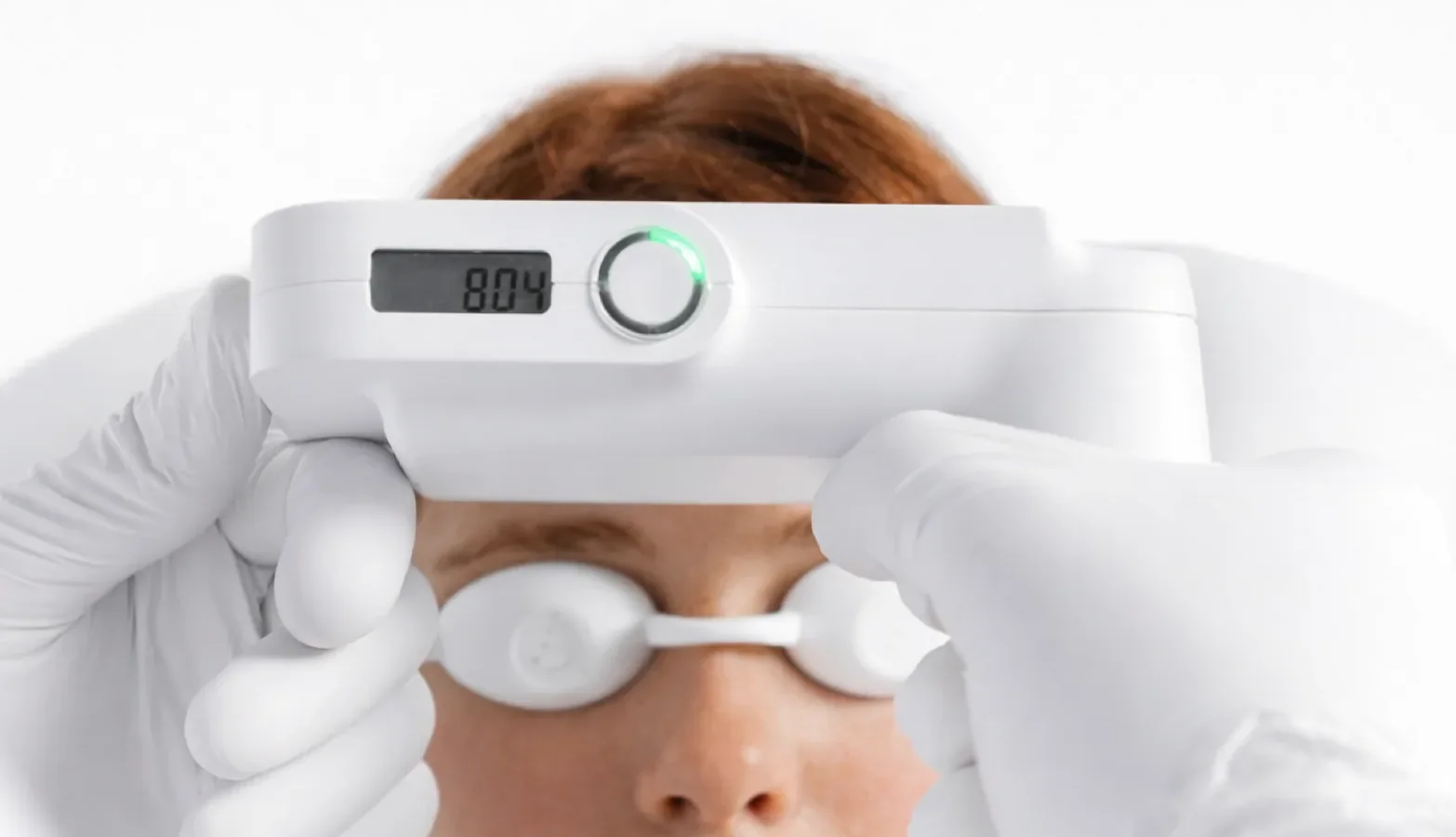
IPLASER photorejuvenation device
The IPLASER 560 handpiece works in the 560–1064 nm range: it evens out skin tone and reduces pigmentation and vascular concerns. No long recovery.
- 560–1064 nmworking range of the handpiece
- 3pulses per flash
- 4treatments in a face course
Tone, pigment and vessels, with one 560 handpiece.
How it works
Light works on tone, pigment and vessels
The 560–1064 nm range is absorbed by two targets in the skin: melanin and oxyhaemoglobin. So one treatment works on pigment and vascular changes at once and evens out tone, while three-pulse delivery keeps the heating under control.
- Pulse 7 msLight is absorbed by the target pigment
- Pause 300 msThe skin releases heat and cools down
- Three pulsesHeat builds up in the target without a pain peak
The treatment
A course of 4 treatments for the face
Photorejuvenation is one of the most expensive treatments in the room. For the face, Innovatione recommends a course of 4 treatments.
Parameters
| Areas | Face, or face and neck |
|---|---|
| Skin types | I–III; IV after a test flash |
| Pulses | 3 × 7 ms, 300 ms pauses |
| Spot | 1.8 cm² |
Devices
Which device to use
We send the purchase price on request.
Questions and answers
Common questions
How many treatments are in a course?
For the face, Innovatione recommends a course of 4 treatments. The protocol and intervals are covered in training at the training centre.
Is there a recovery period?
The method does not require a long recovery. A specialist decides on indications and contraindications at consultation.
Which device is photorejuvenation done on?
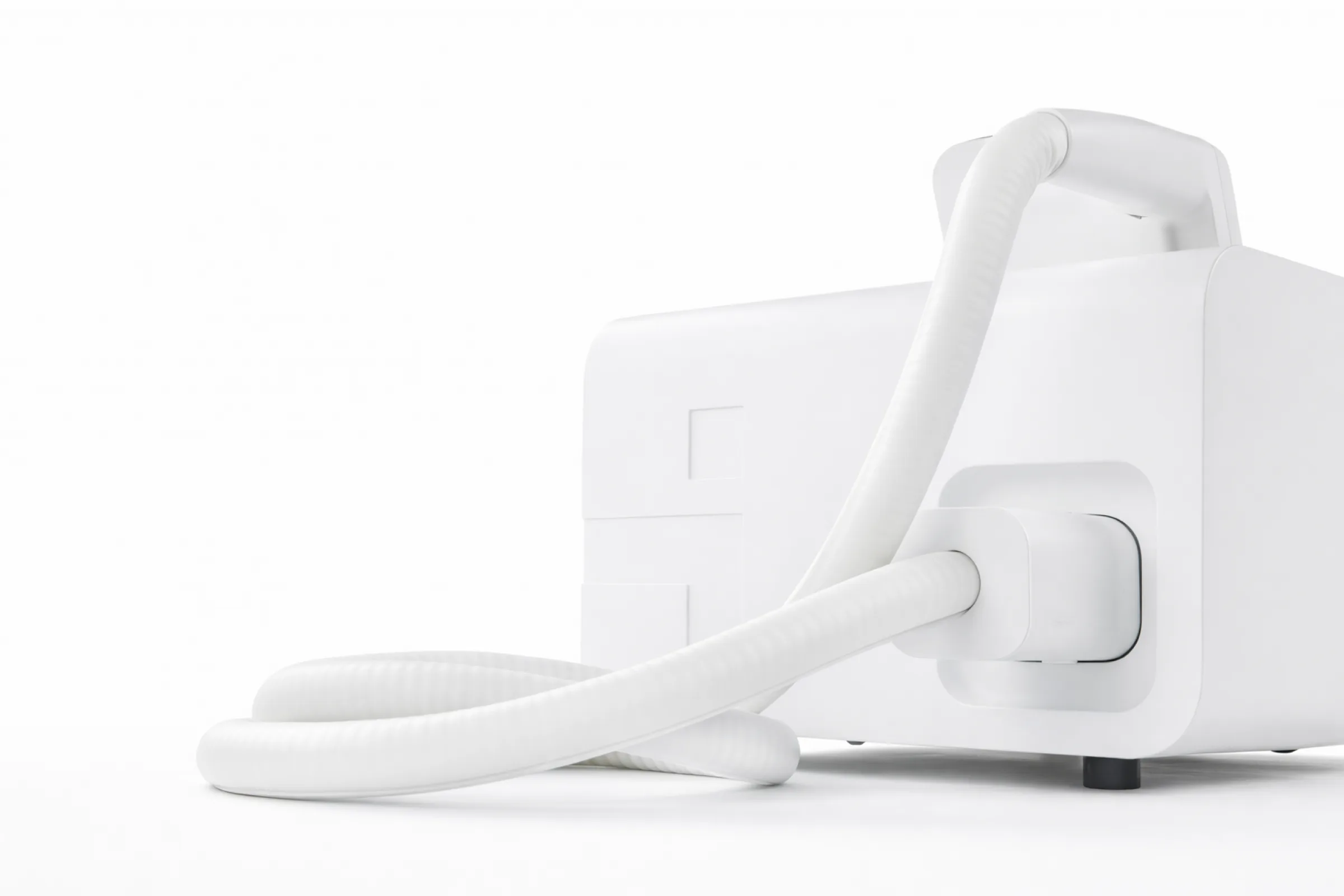
On the IPLASER 560 handpiece: it comes with iPRO MINI 560 and iPRO MINI DUO.
Can it be combined with hair removal on one device?
Yes. iPRO MINI DUO has both handpieces: 755 for hair removal and 560 for phototherapy.
What are the common contraindications?
Intense tan, flare-ups of chronic dermatoses, taking antibiotics or retinoids, severe hypertension, a history of melanoma. A specialist decides at consultation.
Are there side effects?
They can occur. When the specialist and the client follow the protocols, the risks are very low.

Contraindications apply. Consult a specialist.